Archives
- 2026-07
- 2026-06
- 2026-05
- 2026-04
- 2026-03
- 2026-02
- 2026-01
- 2025-12
- 2025-11
- 2025-10
- 2025-09
- 2025-03
- 2025-02
- 2025-01
- 2024-12
- 2024-11
- 2024-10
- 2024-09
- 2024-08
- 2024-07
- 2024-06
- 2024-05
- 2024-04
- 2024-03
- 2024-02
- 2024-01
- 2023-12
- 2023-11
- 2023-10
- 2023-09
- 2023-08
- 2023-06
- 2023-05
- 2023-04
- 2023-03
- 2023-02
- 2023-01
- 2022-12
- 2022-11
- 2022-10
- 2022-09
- 2022-08
- 2022-07
- 2022-06
- 2022-05
- 2022-04
- 2022-03
- 2022-02
- 2022-01
- 2021-12
- 2021-11
- 2021-10
- 2021-09
- 2021-08
- 2021-07
- 2021-06
- 2021-05
- 2021-04
- 2021-03
- 2021-02
- 2021-01
- 2020-12
- 2020-11
- 2020-10
- 2020-09
- 2020-08
- 2020-07
- 2020-06
- 2020-05
- 2020-04
- 2020-03
- 2020-02
- 2020-01
- 2019-12
- 2019-11
- 2019-10
- 2019-09
- 2019-08
- 2019-07
- 2019-06
- 2019-05
- 2019-04
- 2018-11
- 2018-10
- 2018-07
-
br Conflict of interest br CRediT
2021-10-13
Conflict of interest CRediT authorship contribution statement Magdalena Olga Ciechanowska: Conceptualization, Data curation, Investigation, Methodology, Project administration, Writing - original draft. Magdalena Łapot: Formal analysis, Investigation, Methodology. Marek Kowalczyk: Writing - re
-
Cytarabine A high throughput screening campaign of the Lilly
2021-10-13

A high-throughput screening campaign of the Lilly corporate compound collection led to the discovery of as potent and selective inhibitor of GlyT1 (IC=45nM, GlyT2 IC>30,000nM). In addition to the characteristic -methyl glycine moiety as acidic head group and the novel ethanolamine linker, also cont
-
br Conclusion br Experimental procedures br Introduction The
2021-10-13
Conclusion Experimental procedures Introduction The glycine receptor (GlyR) is a member of the Cys-loop family of ligand-gated ion channels. It is the primary inhibitory receptor in the brainstem and spinal cord but also plays important roles in higher RepSox regions, including the hippoca
-
br Acknowledgments The authors would like to thank principal
2021-10-13
Acknowledgments The authors would like to thank principal investigator Edward John Pratt, MD (Lilly-NUS Centre for Clinical Pharmacology, Singapore) and study investigator Martha Hernandez-Illas MD (QPS-MRA) along with site staff, and trial participants and their families. We thank Zvonko Milicev
-
Psoriasis is an inflammatory skin disease characterized by
2021-10-13
Psoriasis is an inflammatory skin disease characterized by epidermal hyperplasia; micro-abscesses; neo-angiogenesis; a proinflammatory cytokine environment involving alterations of IL-17A, IL-23, and TNF-α; and activation of and infiltration by macrophages, mast cells, neutrophils, CD11c+ dendritic
-
L-Cysteinesulfinic acid br Challenges and open questions Dee
2021-10-12
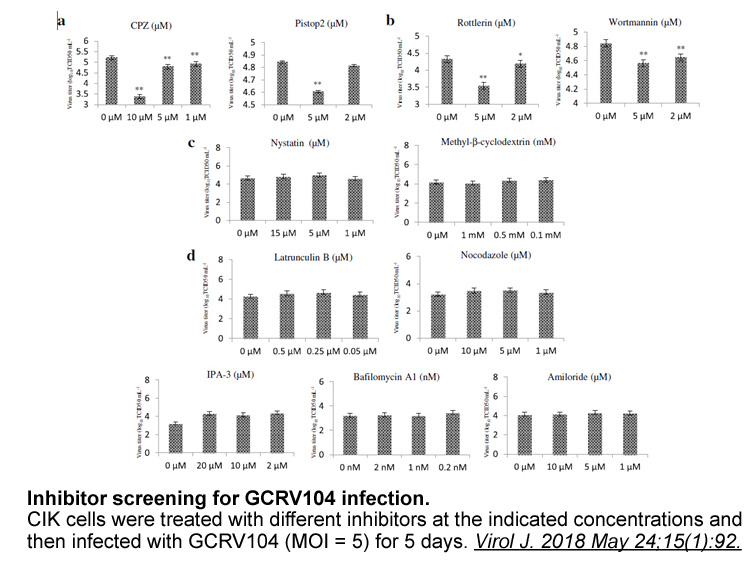
Challenges and open questions Deepening our understanding of PKC’s role in GSIS will require harnessing recently developed techniques and developing new tools. Here we describe three challenges remaining in the field and offer suggestions on experimental approaches to address them. PKC plays an
-
br Introduction Before planning population based
2021-10-12
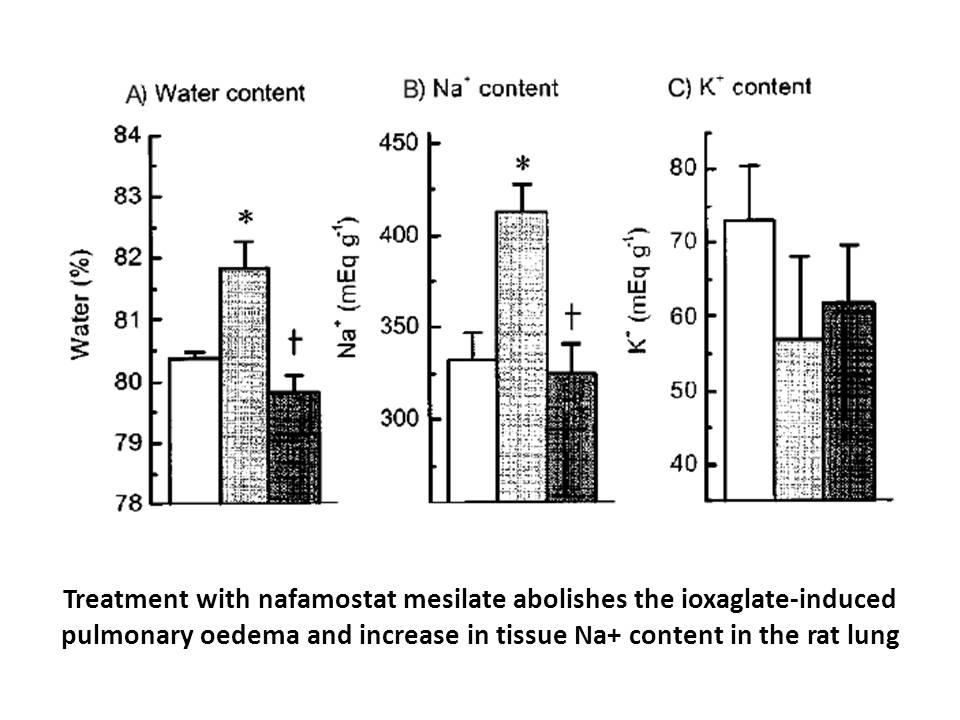
Introduction Before planning population-based genetic analysis or GWAS, it is important to annotate the sequence of the gene because these sequences represent the major sites such as promoter and transcription factor LED209 which may ultimately affect the expression of the gene. Similarly, a sin
-
Cyanine 3-dUTP australia Regulation of gene expression in ma
2021-10-12
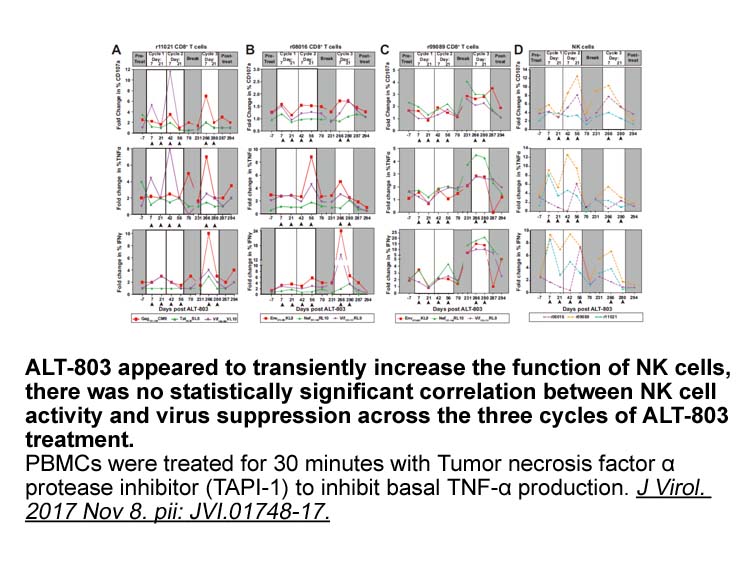
Regulation of gene expression in mammalian cells is governed by the epigenetic machinery, which includes several distinctive yet entangled branches. DNA and histone modifying enzymes, non-coding regulatory RNAs, and ATPase-dependent chromatin remodeling proteins all contribute to the dynamic alterat
-
m-3M3FBS In addition to SAHA SBHA also showed
2021-10-12
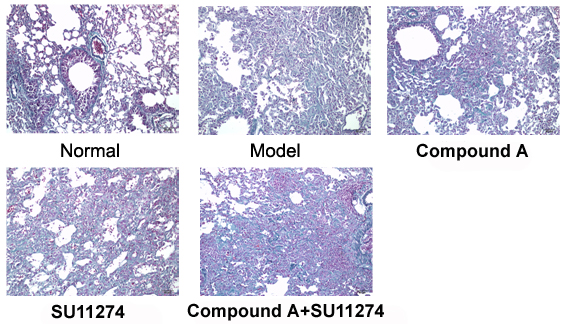
In addition to SAHA, SBHA also showed a strong rescue effect. SAHA is a general inhibitor of HDAC function (Finnin et al., 1999, Kim and Bae, 2011), while SBHA is more specific, and has been shown to inhibit HDAC1 and HDAC3 (Richon et al., 1998). The relative level of suppression was similar in Kis
-
Cux is a cell cycle dependent
2021-10-12
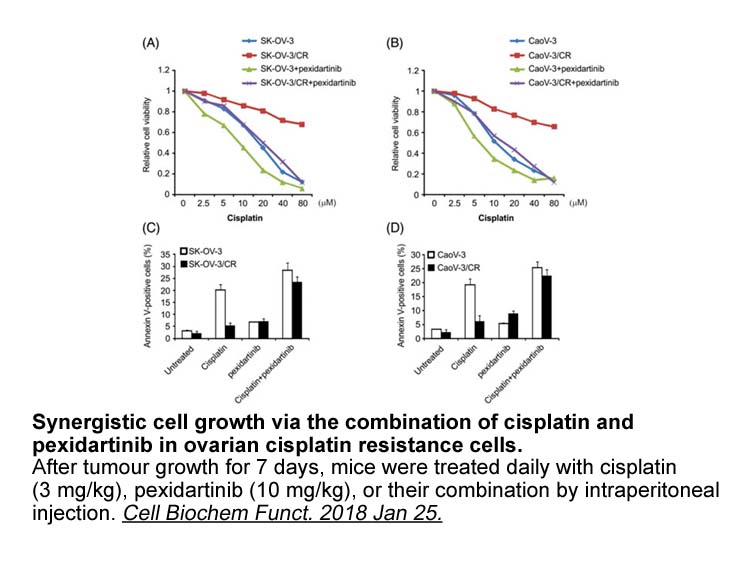
Cux1 is a protease inhibitor dependent transcription repressor that is aberrantly expressed in the Pkd1 null, Pkd1CD, and cpk mouse models of PKD, as well as in human ADPKD cells (Vanden Heuvel et al., 1996; Sharma et al., 2005; Paul et al., 2011; Alcalay et al., 2008). In Pkd1 null mice and in hum
-
CgtA is involved in stringent response and it interacts with
2021-10-12
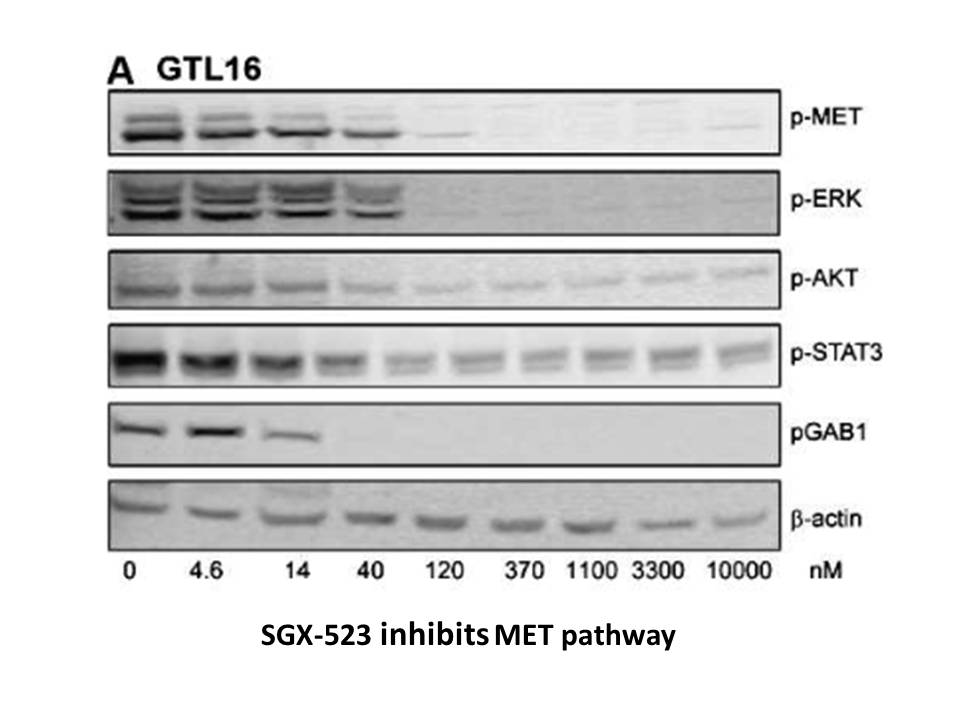
CgtA is involved in stringent response and it interacts with SpoT to maintain optimal (p)ppGpp/ppGpp quotient in bacteria. Depletion of CgtA results in increased ppGpp levels [8]. CgtA is also important for cellular development [12] and involved in synchronization of DNA replication initiation and c
-
Finally a potentially effective therapeutic
2021-10-12
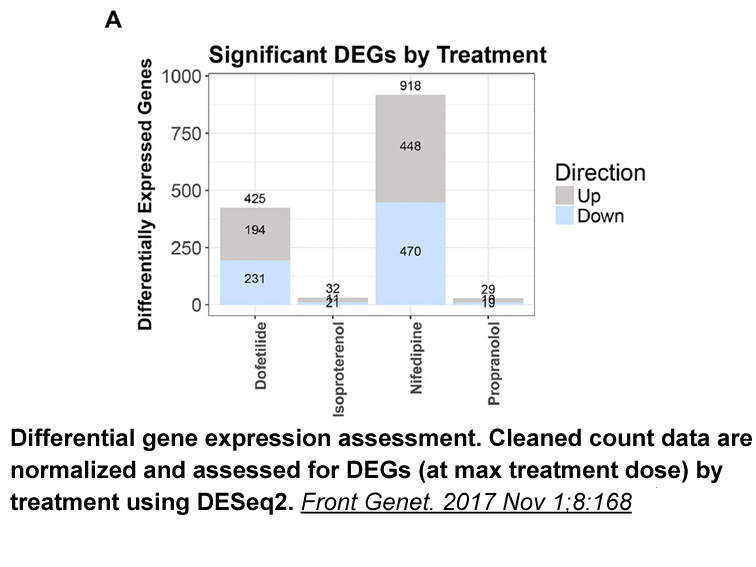
Finally, a potentially effective therapeutic approach is to target the LDH enzymes that mediate bidirectional conversion of pyruvate into lactate. In particular, because LDHA is the predominant isoform expressed in glycolytic tumours, an array of LDHA-targeting compounds have been proposed and valid
-
br Introduction Few decades after of HIV
2021-10-12
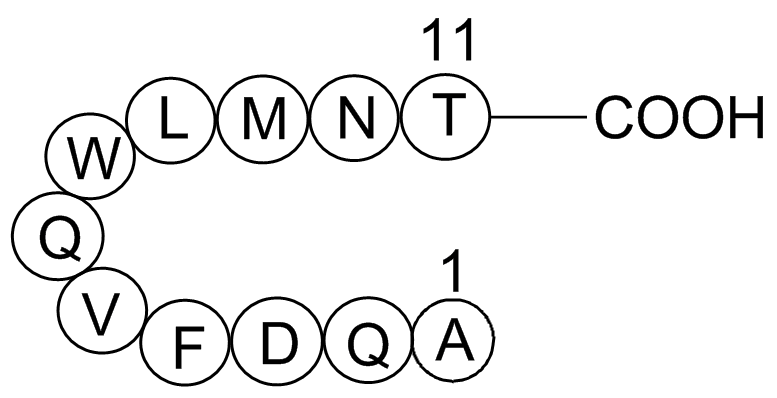
Introduction Few decades after of HIV/AIDS diagnosis, it has been still a health problem and impact will continue in the next decades. In 2015, HIV/AIDS was the 12th cause of death in the world and it's estimated that 1.2 million people was died of HIV/AIDS this year. In the global epidemiologica
-
BMS 470539 dihydrochloride T lymphocytes play an important r
2021-10-12
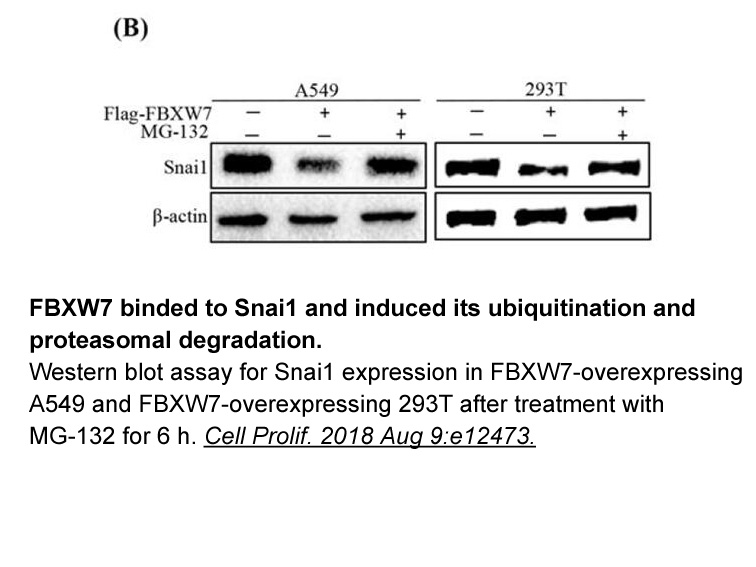
T lymphocytes play an important role in cellular and humoral immunity and immune responses (Shin and Iwasaki, 2013; Schenkel and Masopust, 2014). T BMS 470539 dihydrochloride mature after complex selection and differentiation in the thymus. They can express various membrane proteins, such as CD3, C
-
Adenosine triphosphate ATP is thought to
2021-10-12
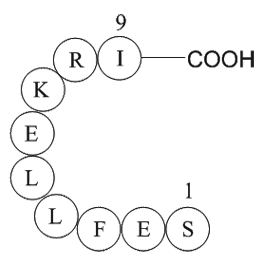
Adenosine triphosphate (ATP) is thought to be a crucial molecule in acute pain signaling in the DRG, as well as in the development and maintenance of chronic pain (Burnstock, 2009, Burnstock, 2013, Burnstock, 2014, Chizh and Illes, 2001). Extracellular ATP activates the ionotropic P2X receptors (Bur
16168 records 571/1078 page Previous Next First page 上5页 571572573574575 下5页 Last page